I’m introducing an excellent resource on Agent AI written by Google. I’ve been using various AIs extensively, and this provides great insights into what level of AI I’m using and how it will evolve in the future. It’s well worth reading.
It’s in English, but nowadays language barriers are hardly an obstacle anymore. Haha If you’re wondering “What is AI?” and consider yourself not tech-savvy, please refer to my previous AI introduction post. Here’s the link: Link
The original Google Agent AI introduction material is available at: https://www.kaggle.com/whitepaper-introduction-to-agents
And if you don’t need a long read and want a brief summary, check out the content below.
AI Agent Introduction Summary
1. What is an AI Agent?
Traditional AI: “Answer this question” → Just answers and stops
AI Agent: “Achieve this goal” → Plans autonomously, uses tools, and keeps working until the goal is achieved
Example: When you say “Prepare for tomorrow’s meeting”
- Check calendar
- Find attendee list
- Prepare materials
- Send emails → Handles everything automatically!
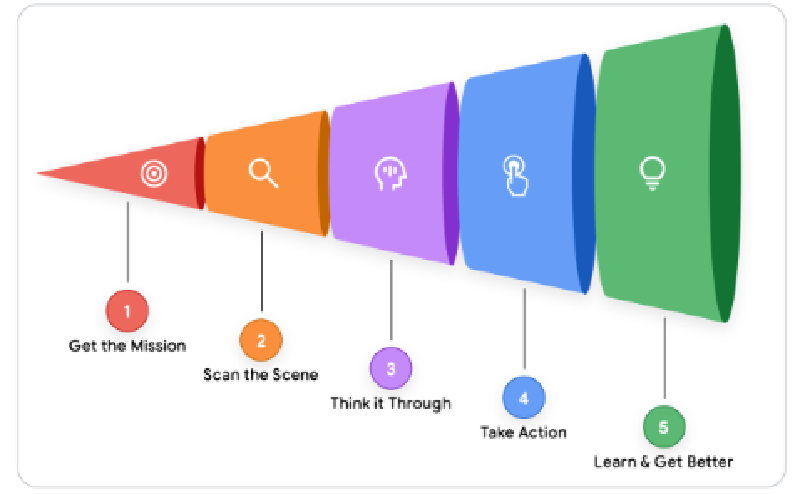
2. How Does an Agent Work? (5 Steps)
- Get the Mission: “Book team travel”
- Scan the Scene: Who are the team members? Schedule? Budget?
- Think It Through: “First check team roster, then check schedules…”
- Take Action: Actually use tools (call calendar API, etc.)
- Observe and Iterate: Check results and move to next step

3. Three Core Components of an Agent
🧠 Model (Brain)
- AI model like ChatGPT
- Thinks and makes decisions
🤲 Tools (Hands)
- Search, email sending, database queries, etc.
- Interacts with the real world
🎮 Orchestration (Nervous System)
- Connects brain and hands
- Remembers, plans, and manages
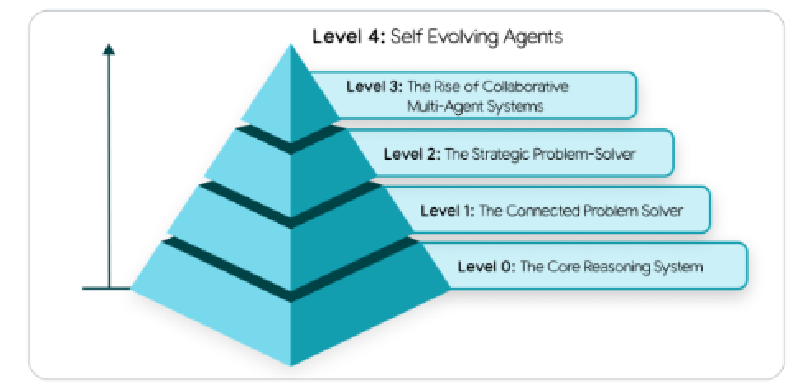
4. Five Levels of Agents
Level 0: Basic AI (only uses knowledge, no tools)
- “Who is King Sejong?” → Can answer
- “What was yesterday’s baseball score?” → Cannot answer ❌
Level 1: Connected Problem-Solver
- Can use tools like search, APIs
- “What was yesterday’s baseball score?” → Searches and answers ✅
Level 2: Strategic Problem-Solver
- Performs complex multi-step tasks
- “Find a good cafe halfway between our office and client’s office”
- Calculate midpoint
- Search for cafes in that area
- Recommend highly-rated ones
Level 3: Collaborative Multi-Agent System
- Multiple specialized agents collaborate
- Example: Project Manager agent delegates tasks to Marketing agent, Research agent, etc.
Level 4: Self-Evolving System
- Creates tools if they don’t exist
- Can generate new agents

5. How to Use in Practice?
🔍 Quality Control is Important
- AI responds slightly differently each time → Testing is essential
- Create “evaluation datasets” for continuous checking
- Use AI to evaluate AI (AI judging AI!)
🔒 Security is Key
- Giving agents too much authority is risky
- Limit to only what’s necessary
- Get human confirmation for important decisions
📊 Monitoring Required
- Record what the agent did
- Track where things went wrong when problems occur
- Collect user feedback and improve
6. Key Summary
Agent = AI Model + Tools + Management System
- Not just Q&A, but goal-oriented AI
- Autonomy to plan and act independently
- However, quality control and security are essential!
